

What Does Testosterone Do to the Male Body?

Testosterone does more than build muscle. It plays a vital role in bone strength, sexual health, energy, mood, and overall male development. Produced mainly in the testes, this hormone supports reproductive function, muscle growth, and red blood cell production from puberty through adulthood. Although testosterone levels naturally decline with age, understanding what testosterone does to the male body can help men recognize hormonal changes and maintain better health.
What Are the Main Functions of Testosterone in Men?
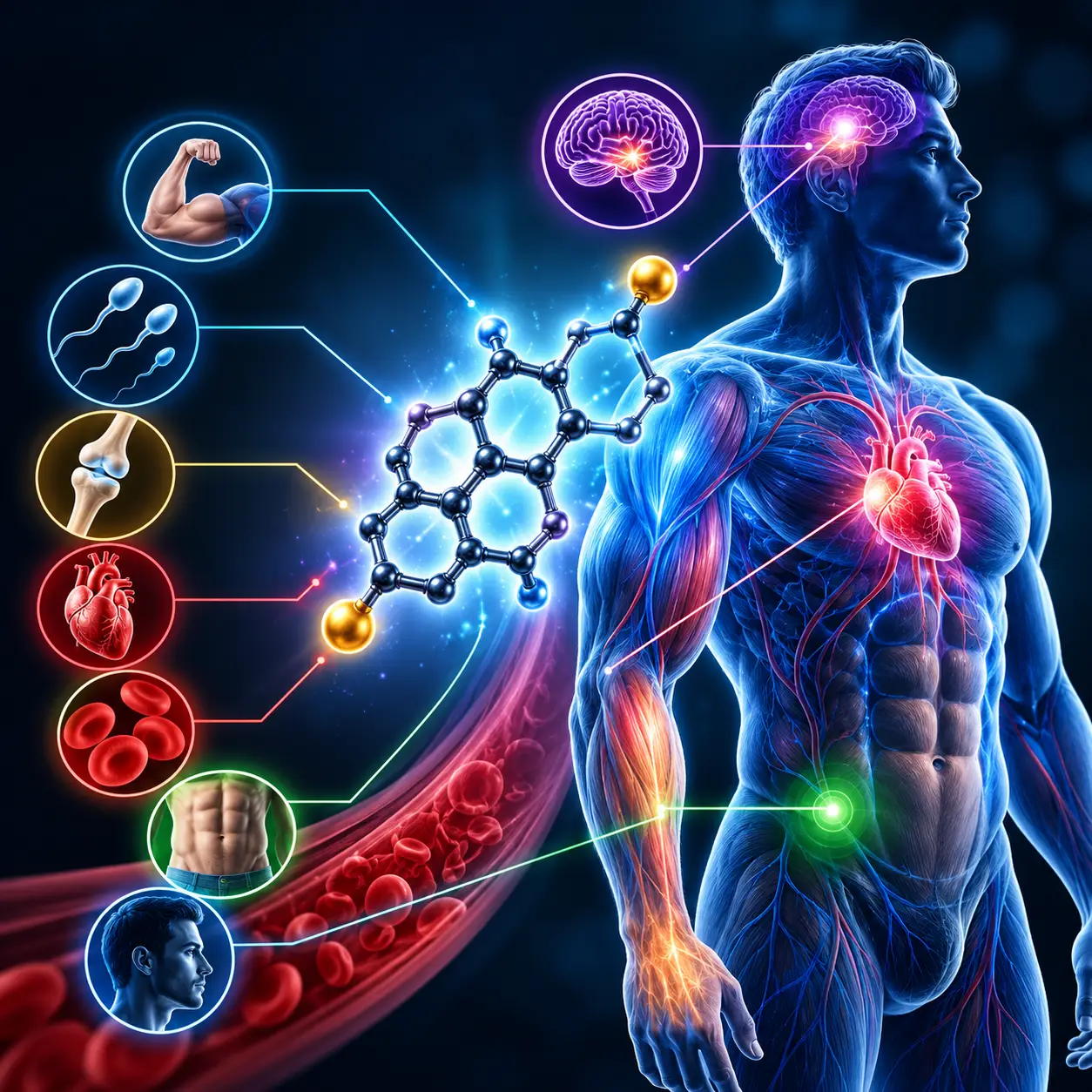
Testosterone affects several organs and biological processes. While it is best known for its role in male sexual development, its influence extends throughout the body.
The main functions of testosterone include:
-
Muscle growth and strength: Helps maintain muscle mass and supports muscle protein synthesis.
-
Bone health: Contributes to bone density and skeletal strength.
-
Sexual health: Supports libido, reproductive development, and normal sexual function.
-
Sperm production: Works with other hormones to maintain sperm development.
-
Red blood cell production: Stimulates processes involved in producing healthy red blood cells.
-
Fat distribution: Influences body composition and the balance between muscle and fat.
-
Mood and well-being: May contribute to emotional health and motivation.
-
Physical development: Supports changes during puberty, including facial hair growth and voice deepening.
These functions explain why testosterone remains important long after puberty.
What Does Testosterone Do During Puberty?
Puberty is one of the most noticeable periods of testosterone activity in males.
As testosterone production increases, boys experience several physical changes, including growth of the penis and testes, development of facial and body hair, a deeper voice, and increased muscle mass.
Testosterone also contributes to sexual maturation and works alongside other hormones to support the beginning of sperm production.
Although the timing and pace of puberty vary between individuals, testosterone plays a central role in normal male development.
How Does Testosterone Affect Sex Drive and Sperm Production?
Testosterone helps regulate sexual desire, commonly called libido. It also supports the reproductive system and works with follicle-stimulating hormone to maintain normal sperm production.
When testosterone levels become significantly low, some men experience reduced sexual interest, fewer spontaneous erections, or reproductive difficulties.
However, testosterone is not the only factor affecting sexual health. Stress, medical conditions, medications, relationship concerns, and psychological well-being can also influence sexual function.
How Does Testosterone Affect Muscle Mass, Mood, and Stamina?
Testosterone has an important influence on physical performance and general well-being. Three commonly discussed effects involve muscle strength, emotional health, and energy.
Testosterone and Muscle Growth
Testosterone supports muscle protein synthesis, the process through which the body builds and repairs muscle tissue.
It helps maintain lean muscle mass and contributes to muscle development when combined with resistance training and adequate nutrition.
Men with testosterone deficiency may notice reduced muscle mass or difficulty maintaining strength. However, having normal testosterone levels does not guarantee faster muscle growth.
Training consistency, protein intake, recovery, age, and genetics also affect muscle development.
Testosterone and Mood
Testosterone may influence mood, emotional well-being, and certain aspects of cognitive function.
Some men with low testosterone report irritability, reduced motivation, low mood, or difficulty concentrating.
However, these symptoms are not specific to testosterone deficiency. Poor sleep, anxiety, depression, nutritional deficiencies, and everyday stress can produce similar effects.
This is why mood changes alone cannot reliably indicate a hormonal problem.
Testosterone and Energy Levels
Testosterone contributes to several processes involved in physical health, including red blood cell production and maintenance of muscle tissue.
Men with clinically low testosterone sometimes report persistent tiredness, reduced physical endurance, or difficulty maintaining their usual activity levels.
Nevertheless, testosterone is not a direct energy source, and fatigue has many possible explanations.
Poor sleep, anemia, thyroid problems, stress, and other medical conditions should also be considered when fatigue becomes persistent.
How Does Testosterone Affect Bone Density and Red Blood Cells?
Testosterone supports bone development and helps maintain bone mineral density during adulthood.
When testosterone remains significantly low over time, men may experience reduced bone density, increasing the risk of osteoporosis and fractures.
Testosterone also stimulates red blood cell production through several biological mechanisms.
Healthy red blood cells carry oxygen throughout the body. Testosterone deficiency can sometimes contribute to anemia, which may worsen tiredness and physical weakness.

How Do Testosterone Levels Change With Age?
Testosterone levels typically increase during puberty, reach their highest levels during early adulthood, and gradually decline as men get older.
Some studies report average declines of approximately 1% per year, although the rate varies considerably between individuals.
Not every man experiences a significant hormonal decline, and many older men maintain testosterone levels within their laboratory's normal reference range.
Age-related changes can also be influenced by:
-
Excess body fat
-
Poor sleep quality
-
Chronic medical conditions
-
Certain medications
-
Physical inactivity
-
Overall metabolic health
A gradual decline in testosterone is not necessarily the same as medical testosterone deficiency, also called hypogonadism.
What Are the Signs and Symptoms of Low Testosterone?
Low testosterone does not always cause noticeable symptoms. When symptoms occur, they often develop gradually and may resemble changes associated with aging, stress, or other health conditions.
Common symptoms include:
-
Reduced sex drive
-
Fewer spontaneous erections
-
Persistent tiredness
-
Reduced muscle mass
-
Increased body fat
-
Low mood or irritability
-
Difficulty concentrating
-
Reduced bone density
-
Thinning body or facial hair
Some men may also experience infertility or anemia, depending on the underlying cause and severity of testosterone deficiency.
Having one or two symptoms does not confirm low testosterone. A diagnosis generally requires compatible symptoms together with consistently low testosterone levels on appropriate blood tests.

What Causes Low Testosterone in Men?
Low testosterone can develop when the testes do not produce sufficient hormone or when the brain's hormonal signaling system is disrupted.
Potential causes include:
-
Testicular conditions: Injury, infection, or other problems affecting testosterone production.
-
Pituitary or hypothalamic disorders: Conditions interfering with hormone signals from the brain.
-
Obesity: Excess body fat can influence testosterone regulation and metabolism.
-
Chronic illness: Certain long-term medical conditions can affect hormone production.
-
Medication use: Some medications, including opioids and glucocorticoids, may suppress testosterone levels.
-
Sleep disorders: Poor sleep and sleep apnea can be associated with reduced testosterone.
Aging can also contribute to lower testosterone levels, but it should not automatically be considered the cause of persistent symptoms.
Identifying the underlying reason is important because treatment depends on the individual medical situation.
Healthy vs. Low Testosterone: How Does It Affect the Body?
Testosterone supports several important functions, but the effects of lower levels vary from person to person.
The following table summarizes common differences.
|
Body Function |
Healthy Testosterone Levels |
Low Testosterone Levels |
|
Muscle Mass |
Supports muscle maintenance and strength |
May contribute to reduced muscle mass |
|
Mood |
Supports normal hormonal function |
May be associated with low mood or irritability |
|
Energy |
Supports normal physiological processes |
May be associated with fatigue |
|
Sex Drive |
Helps maintain normal libido |
May cause reduced sexual desire |
|
Bone Health |
Supports bone mineral density |
Can increase bone loss risk over time |
|
Body Composition |
Helps regulate muscle and fat distribution |
May contribute to increased body fat |
|
Red Blood Cells |
Supports normal production |
May contribute to anemia |
These are possible associations rather than guaranteed outcomes. A man with normal testosterone may still experience fatigue or mood changes for unrelated reasons.
What Happens When Testosterone Levels Are Too High?
Although low testosterone gets more attention, excessively high levels can also affect men's health. Naturally high testosterone is uncommon in adult men, but certain medical conditions or the misuse of anabolic steroids can cause unusually elevated levels.
High testosterone or excessive androgen exposure may lead to acne, mood changes, increased red blood cell counts, and reproductive problems. Anabolic steroid misuse can also reduce natural sperm production and increase the risk of cardiovascular complications.
The goal is not to achieve the highest testosterone level possible but to maintain a healthy hormonal balance that supports normal body functions and long-term well-being.
Can Estrogen Be Converted Into Testosterone?
Testosterone and estrogen are both important hormones that perform different functions in the body. In men, an enzyme called aromatase converts some testosterone into estradiol, a form of estrogen, particularly in body fat. However, this process does not work in reverse, so estrogen cannot directly convert back into testosterone through the same pathway.
Maintaining a healthy weight, getting enough sleep, and managing underlying health conditions can help support normal hormone regulation and balance.
Can Eating Figs Increase Testosterone Naturally?
Figs, commonly called anjeer in Pakistan, are often associated with traditional men's health remedies.
They contain dietary fiber, antioxidants, and small amounts of several minerals, including zinc.
Zinc is important for normal reproductive and hormonal function, particularly when a person has a zinc deficiency.
However, there is insufficient clinical evidence that eating figs directly increases testosterone levels in men.
Figs can still be included in a balanced diet as a source of nutrients, but they should not be considered a testosterone treatment.
Other foods such as eggs, fish, lean meat, legumes, nuts, and seeds can also contribute useful nutrients for general health.
How Can Men Support Healthy Testosterone Levels Naturally?
Supporting normal testosterone function begins with consistent lifestyle habits rather than quick fixes.
Some practical steps include:
-
Get adequate sleep. Aim for seven to nine hours of quality sleep per night, as insufficient sleep can interfere with hormone regulation.
-
Exercise regularly. Include resistance training and moderate physical activity to maintain muscle strength and overall metabolic health.
-
Maintain a healthy body weight. Excess body fat can affect testosterone regulation, particularly in men with obesity.
-
Eat a balanced diet. Include sufficient protein, healthy fats, whole grains, fruits, vegetables, and nutrient-rich foods.
-
Manage chronic stress. Stress management supports sleep and overall well-being, although it is not a guaranteed method of increasing testosterone.
-
Address underlying health conditions. Proper management of diabetes, sleep apnea, and other medical problems can help improve general hormonal health.
Some men include dietary supplements like Trinutra Testron Male Health Support in their daily wellness routines. However, supplements should complement a healthy lifestyle, not replace medical testing or treatment. Their effectiveness depends on the ingredients, dosage, and supporting research. If you suspect low testosterone, consult a healthcare professional before starting any supplement.
How Are Testosterone Levels Measured?
Testosterone levels are measured through a blood test, usually performed in the early morning when hormone levels are highest. Doctors typically recommend a total testosterone test, which measures both bound and unbound testosterone in the blood.
If the result is low, a repeat test may be needed for confirmation. Additional tests, such as free testosterone, SHBG, LH, and FSH, can help identify hormonal imbalances and their possible causes.
Since normal testosterone ranges vary by age and laboratory, results should always be reviewed by a healthcare professional alongside symptoms and medical history.
Conclusion
Testosterone plays an important role in muscle strength, bone health, reproductive function, and overall well-being. While levels naturally decline with age, symptoms like fatigue or reduced strength do not always indicate a deficiency.
Maintaining a balanced diet, exercising regularly, and getting enough sleep can support healthy hormone function. If symptoms persist, consult a healthcare professional for proper testing and guidance.
Frequently Asked Questions About Testosterone
What does testosterone do to the male body?
Testosterone supports muscle development, bone density, sexual function, sperm production, and red blood cell production. It also influences male physical development during puberty and may contribute to mood and general well-being.
At what age does testosterone start to decline in men?
Testosterone levels generally begin declining gradually during adulthood, although the timing and rate vary between individuals. Some studies report average declines of approximately 1% annually, but many men maintain normal levels as they age.
Can low testosterone cause weight gain?
Low testosterone can contribute to changes in body composition, including reduced muscle mass and increased body fat. However, weight gain can have many causes, including diet, physical activity, medications, and underlying health conditions.
Does fig increase testosterone naturally?
There is insufficient evidence that eating figs directly increases testosterone levels in men. Figs provide fiber, antioxidants, and small amounts of minerals, making them a nutritious addition to a balanced diet rather than a proven hormone booster.
Can estrogen convert into testosterone in the body?
Estrogen does not directly convert into testosterone through the aromatase pathway. Instead, aromatase converts testosterone into estrogen. The body produces testosterone from other steroid hormone precursors.
What foods naturally support testosterone in Pakistani diets?
Eggs, fish, lean meat, lentils, chickpeas, nuts, seeds, and dairy products provide nutrients involved in normal body functions. Eating a balanced diet helps prevent deficiencies, but no single food guarantees higher testosterone.
How can I check if my testosterone levels are low?
A healthcare professional can recommend an early-morning total testosterone blood test. If the result is low, it is generally repeated on another morning, and additional testing may be needed to identify the cause.
Medical note: Symptoms alone cannot confirm testosterone deficiency. Consult a qualified healthcare professional for diagnosis, individualized advice, and treatment decisions.
Support Your Strength & Vitality Naturally
Discover Trinutra Testron Male Health Support, formulated to complement your daily wellness routine and support men's vitality.