

Does Exercise Increase Testosterone? What Science Says

If you've ever finished a heavy gym session and felt unstoppable, that's not just in your head. A lot of men in Pakistan ask this exact question when they start hitting the gym seriously: does exercise increase testosterone, or is it just hype from fitness influencers? The short answer is yes, but the type of workout you choose makes a real difference. Let's break down what actually happens to your hormones when you train, and how you can make your workouts count.
How Does Exercise Affect Testosterone Levels?
When you lift weights or push through a tough workout, your body responds by briefly raising testosterone to help repair and build muscle. Research shows that a single bench press and jump squat session can raise post-workout testosterone by over 7% and 15% respectively compared to pre-exercise levels. This spike doesn't last forever. Studies have found that a 30-minute run can significantly elevate testosterone right after exercise, but levels often return to baseline within about an hour. The real benefit comes from doing this consistently, week after week, rather than expecting one workout to change your hormone profile overnight.

Does Strength Training Increase Testosterone More Than Cardio?
This is where the type of exercise really matters. Strength training testosterone research consistently favors weightlifting and hormones as a combination, especially when the workout targets large muscle groups like your legs, back, and chest. Compound lifts such as squats, deadlifts, and bench presses tend to trigger the biggest hormonal response because they recruit so much muscle mass at once. High-Intensity Interval Training (HIIT) comes in second, offering a solid testosterone boost through short, intense bursts of effort. Steady-state cardio like jogging or cycling has a much smaller effect, and if it's done in excess without proper recovery, it can actually work against you.
Comparison Table: Exercise Types and Their Effect on Testosterone
|
Exercise Type |
Testosterone Response |
Best For |
|
Resistance/Strength Training (squats, deadlifts, bench press) |
Strong short-term increase |
Muscle building, long-term hormonal health |
|
HIIT (sprints, cycling intervals) |
Moderate to strong increase |
Fat loss plus a hormonal boost |
|
Steady-State Cardio (jogging, swimming) |
Mild, sometimes minimal effect |
Cardiovascular health, endurance |
|
Overtraining / Excessive Endurance Exercise |
Can lower testosterone over time |
Not recommended without recovery |
Does Gym and Testosterone Really Go Hand in Hand?
Yes, and this connection between the gym and testosterone is one of the most researched areas in exercise science. Men who train regularly tend to show noticeably higher resting testosterone levels than men who live a sedentary lifestyle. One study even found that a 6-week HIIT program raised testosterone significantly in older men who had previously been inactive. So if you're consistent with your gym routine, you're not just building visible muscle, you're also supporting your hormonal health in the background. That said, results vary from person to person depending on age, sleep, diet, and stress levels, so don't expect identical results to your gym partner.
What Else Can You Do Alongside Exercise?
Exercise is one piece of the puzzle, but if you're wondering how to boost testosterone levels more holistically, a few lifestyle habits matter just as much as your workout plan. Getting 7 to 9 hours of sleep, managing stress, and eating a balanced diet with enough healthy fats and zinc all play a supporting role. Many people also ask, does drinking water increase testosterone? While water itself doesn't directly raise your hormone levels, staying well-hydrated supports overall metabolic function, which indirectly helps your body regulate hormones more efficiently, especially during and after intense workouts.
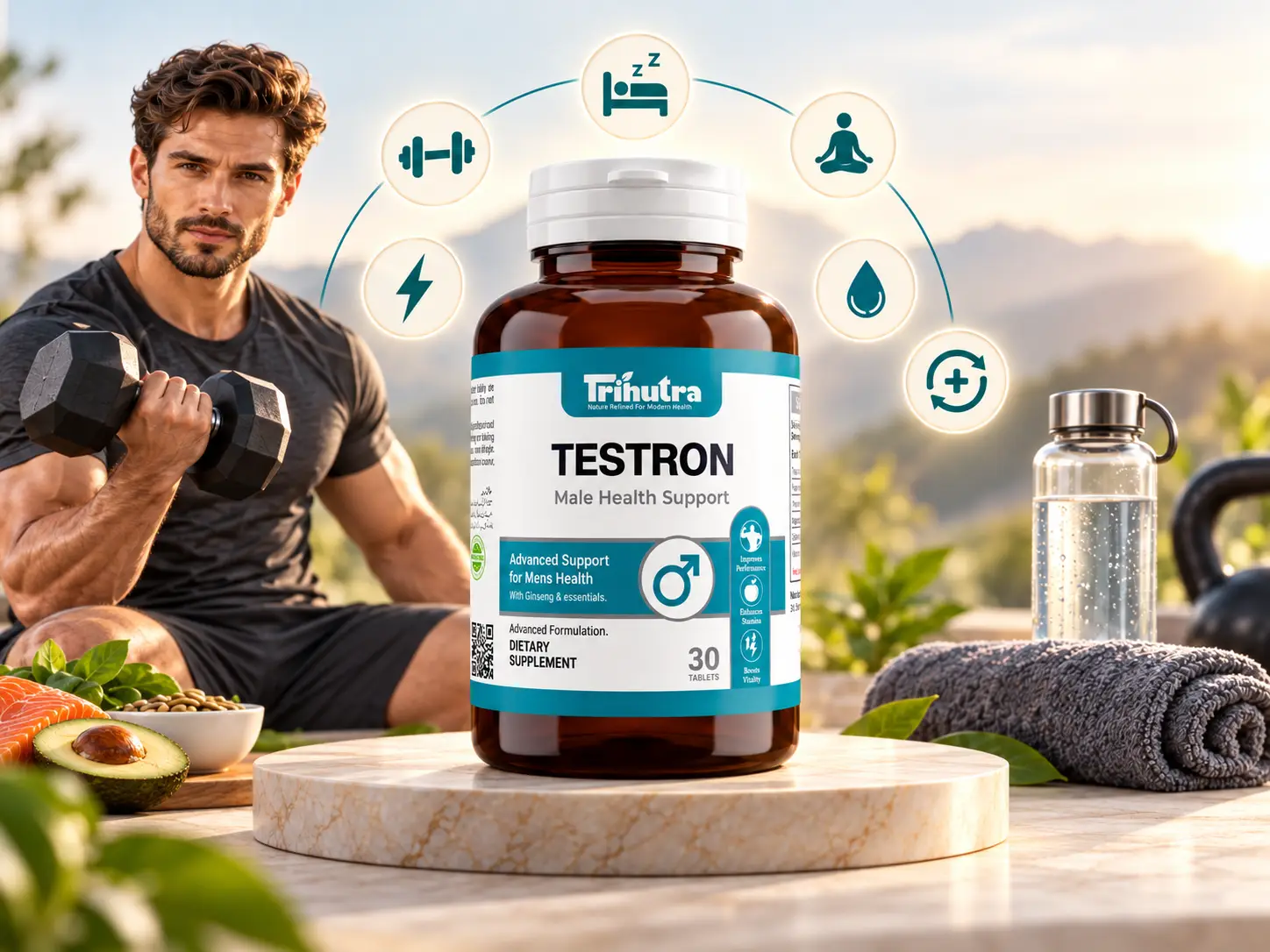
For men who train hard but still feel their energy and recovery aren't where they should be, a well-formulated support supplement from Trinutra can complement an active lifestyle. Trinutra built Testron Male Health Support for men who want extra nutritional backing alongside their fitness routine, and it helps support energy, stamina, and overall male wellness as part of a consistent training and lifestyle plan. If you're already putting in the work at the gym, Testron Male Health Support can be a helpful addition to your routine. Ready to take your training seriously? Start with a solid workout plan, and let your nutrition support the rest.
Common Mistakes That Reduce the Testosterone Benefits of Exercise
A lot of men undo their own progress without realizing it. Overtraining without enough rest days, chronic calorie restriction while training hard, and long bouts of endurance exercise without recovery can all suppress testosterone rather than boost it. Balance is the key word here. Trinutra always recommends pairing a smart training split with proper sleep and nutrition rather than chasing more volume for the sake of it.
Closing Words
Exercise genuinely does support healthy testosterone levels, especially when your routine leans on strength training and high-intensity workouts rather than excessive cardio alone. Give your body consistency, recovery, and the right nutritional support, and the hormonal benefits will follow naturally over time. At Trinutra, we believe small, sustainable habits make the biggest difference for long-term men's health.
For more wellness essentials and expert-backed resources to support your fitness journey, explore the range of products and wellness solutions available at Trinutra..
FAQs
Does exercise increase testosterone naturally?
Yes, especially resistance training and HIIT. Studies show testosterone can rise by 7-15% immediately after certain strength workouts, though the boost is often temporary.
How long does the testosterone boost from exercise last?
Research shows testosterone often peaks right after a workout and can return to baseline within about 60 minutes, so consistency matters more than a single session.
Does drinking water increase testosterone?
Not directly, but staying hydrated supports your body's overall hormonal and metabolic processes, which matters more during intense training days.
What is the best exercise to increase testosterone?
Compound resistance exercises like squats, deadlifts, and bench presses show the strongest hormonal response among all training types studied so far.
Can too much exercise lower testosterone?
Yes. Overtraining, especially long-duration endurance exercise without adequate rest, has been linked to lower testosterone due to increased cortisol and stress on the body.
How to boost testosterone levels besides exercise?
Good sleep (7-9 hours), a balanced diet with zinc and healthy fats, and stress management all support healthy testosterone alongside a consistent workout routine.
Does age affect how exercise impacts testosterone?
Yes, studies on strength training show younger participants often see a more pronounced testosterone increase than older participants, though older men still benefit from consistent training.
Fuel Your Fitness & Male Vitality
Build healthier habits with regular exercise, quality sleep, and balanced nutrition. Discover Trinutra Testron Male Health Support, formulated to complement your fitness routine and support energy, stamina, and overall men's wellness.